

How to Prepare Your Home’s Electrical System for Storm Season: Surge Protection in Deerfield Beach, FL
In Deerfield Beach, FL, summer thunderstorms and tropical systems can strike with little warning. Power flickers, lightning, and utility surges can damage sensitive electronics and shorten the life of your HVAC, pool pump, and appliances. The smartest first step is professional surge protection paired with a full electrical checkup. This guide explains what local homeowners should prioritize so your home stays safe and comfortable when the weather turns.
Why Surge Protection in Deerfield Beach, FL Matters
Our coastal location means frequent lightning and sudden grid disturbances. Even a short outage followed by a restoration surge can push voltage far above normal. That spike travels through your panel and into every branch circuit. A whole-home device shunts excess energy safely to ground before it reaches your equipment. It works quietly in the background so you do not have to scramble every time a storm rolls over the Intracoastal.
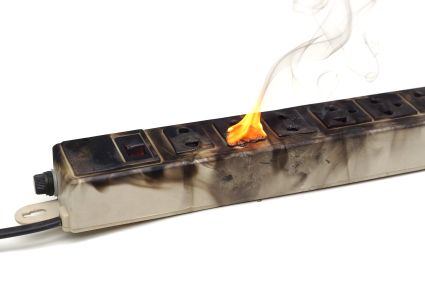
Whole-home surge protection shields every circuit. Point-of-use strips help at a single outlet, but they do not protect your AC condenser, well pump, refrigerator, or built-ins. A panel-mounted unit adds the broad safety net your home needs during peak storm months from June through November.
Start With a Pro Safety Check
Schedule a licensed electrical inspection before storm season. A trained electrician can spot small issues before wind and rain make them big problems. In neighborhoods like The Cove, Century Village East, Deer Creek, Crystal Lake, and the Villages of Hillsboro, homes range from older wiring to modern smart setups. Each benefits from a targeted safety check tailored to age and usage.
- Panel and breakers: confirm proper labeling, torque, and that breakers match equipment loads.
- Grounding and bonding: verify main bonding jumper, grounding electrode conductors, and connections to water and supplemental electrodes.
- Arc-fault and ground-fault protection: test GFCI and AFCI devices in kitchens, baths, garages, exteriors, and bedrooms.
- Moisture-prone areas: inspect exterior outlets, pool equipment circuits, and boat lift feeds near canals for corrosion and weatherproofing.
- Critical circuits: identify medical devices, Wi‑Fi, security, and refrigeration for backup-power planning.
During this visit, your electrician will also evaluate where a whole-home unit should be placed for best performance and whether your service conductors and lugs need maintenance.
Smart Upgrades That Boost Reliability
Storm preparation is more than flashlights and batteries. These upgrades make a measurable difference in comfort and safety when the sky turns gray over Hillsboro Boulevard.
- Whole-home surge protector at the main panel for building-wide protection.
- Type 1 protection ahead of the main breaker if your layout allows, adding a first line of defense.
- Dedicated protection for high-value gear like HVAC air handlers and pool automation.
- Generator-ready transfer switch or interlock for safe backup power integration.
- Load management to prioritize essentials like cooling, refrigeration, and device charging.
Each home is different, so recommendations vary by service size, equipment age, and typical storm exposure. Your electrician will provide a plan that fits your layout and goals.
Local insight: Peak storms in Broward County often land between August and October. Book your inspection early so upgrades are installed before supply runs low and schedules fill up. After any flooding, do not re-energize wet electrical equipment until a licensed pro inspects it.
Protect Big-Ticket Systems First
Some equipment is more vulnerable than others. Prioritize these to prevent expensive downtime or replacements after a lightning-heavy afternoon.
HVAC systems. Condensing units and air handlers have boards and relays that dislike voltage spikes. A whole-home device plus a dedicated protector on the HVAC circuit gives your cooling system a fighting chance during repeated flickers.
Pool equipment. Pumps, heaters, and automation live outdoors where moisture and sun accelerate wear. Weatherproof covers, fresh gaskets on conduits, and professional terminations keep water out while surge protection keeps damaging energy away from electronics.
Appliances and built-ins. Refrigerators, ovens, microwaves, and garage door openers often contain sensitive controls. A whole-home protector can extend their service life and reduce nuisance resets.
Plan for Outages Without Taking Risks
Backup power is part of a complete plan. Think through what matters most during a 4 to 24 hour outage, then size your approach accordingly.
Portable generator with transfer switch. It is a flexible option for powering essentials like the fridge, some lights, Wi‑Fi, and a small window unit if needed. Do not use portable generators without a transfer switch. Backfeeding is dangerous for you and utility crews, and it can damage your home’s electrical system.
Standby generator. If you need whole-home comfort, an automatic standby system can start within seconds and keep AC, refrigeration, and medical devices running. Your electrician will review clearances, fuel, and load priorities during sizing and design.
Storm Electrical Safety Tips From Local Pros
Simple habits reduce risk before, during, and after a storm. These do not replace professional work. They keep your home safer while the pros handle the technical tasks.
Before the first big system of the season, consider the following:
- Walk the exterior and note any cracked in-use covers, wobbly fixtures, or rusted boxes to show your electrician.
- Move electronics off floors in low areas to protect against minor water intrusion.
- Charge backup batteries for medical devices and secure a safe, dry storage spot for them.
When a watch turns into a warning, unplug nonessential countertop electronics and let your surge protection handle the rest. After the storm, do not reset tripped breakers repeatedly. If a circuit will not hold, call a professional to inspect it.
If you need help finding trusted pros, visit the main electrical services page at /electrician/ for a broader view of residential solutions that support your storm plan.
What a Professional Surge Protection Installation Includes
A proper install is more than snapping a device onto a panel. Your electrician will confirm breaker sizing, conductor length, and grounding quality so the device reacts quickly to spikes. Short, direct leads to the bus and neutral improve performance. Labeling and a quick homeowner briefing help you spot indicator lights at a glance after a storm.
You also get guidance on protecting specialty systems such as elevator lifts in multi-story homes, dock power pedestals, or EV chargers. Each has unique surge profiles and may benefit from dedicated devices along with the whole-home unit.
How This Fits Into a Complete Electrical Plan
Think of storm preparation like layers. Surge protection handles excess energy. Modern breakers reduce arc and ground faults. A safe transfer mechanism brings backup power online without risk. Together they keep you cool, connected, and confident while crews restore the grid.
For more context or to map out priorities, many homeowners start by reviewing residential and commercial offerings. You can explore broader categories at /commercial-electrician/ to see how similar protection strategies scale for businesses and shared buildings in Deerfield Beach.
When To Schedule Service
Book early in the season so you are not waiting during peak tropical activity. If you recently moved into The Cove or another coastal neighborhood, or if your home has had repeated flickers, it is smart to get a panel check and surge device installed soon. You can also strengthen your web and work-from-home setup by protecting your router and low-voltage systems as part of the same visit.
To learn what fits best for your home and lifestyle, review professional surge protection installation options and schedule a visit with Benchmark Electric. A brief assessment will confirm what you need to feel prepared.
Stay Safe and Ready All Season
Storms will pass. Preparation stays. When your panel is tuned up, grounding is solid, and a whole-home device is in place, you are set up for fewer surprises and faster recovery after every event. If you want help right now, call 786-752-5007 and speak with our local team.
For a quick overview of services and to verify service availability for surge protection in Deerfield Beach, FL, start at our home page. Then schedule your visit with Benchmark Electric to get your home storm-ready.